Drainage Culvert Installation in Tuscaloosa, AL
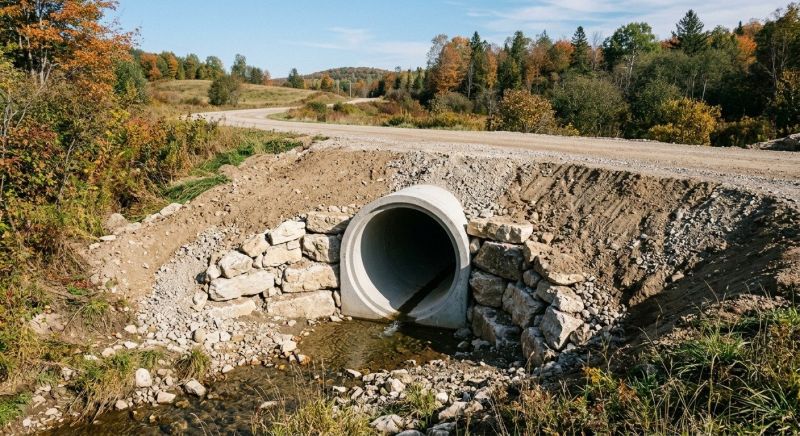
Drainage culvert installation involves placing underground structures designed to direct water away from properties, preventing flooding and soil erosion. These systems are commonly used in residential projects such as managing stormwater runoff, improving yard drainage, or creating pathways through areas with poor natural drainage. Property owners often want to understand the different types of culverts available-such as concrete, metal, or plastic-and how they can be integrated into existing landscapes or new construction. It’s also important to consider factors like the size and capacity of the culvert needed based on the property’s drainage requirements and local weather patterns.
Before requesting drainage culvert installation, property owners should assess the current drainage issues and determine the scope of the project. Understanding the location where water tends to pool or flow excessively helps in planning an effective solution. Additionally, it’s useful to consider how the culvert will fit into the overall landscape, whether it’s for a driveway, garden, or roadside drainage. Proper planning ensures the installed culvert will effectively manage water flow, reduce flooding risks, and support the longevity of the property’s landscape and structures.
Many property owners in Tuscaloosa, AL look into Drainage Culvert Installation for repairs, replacements, upgrades, and appearance-related improvements.
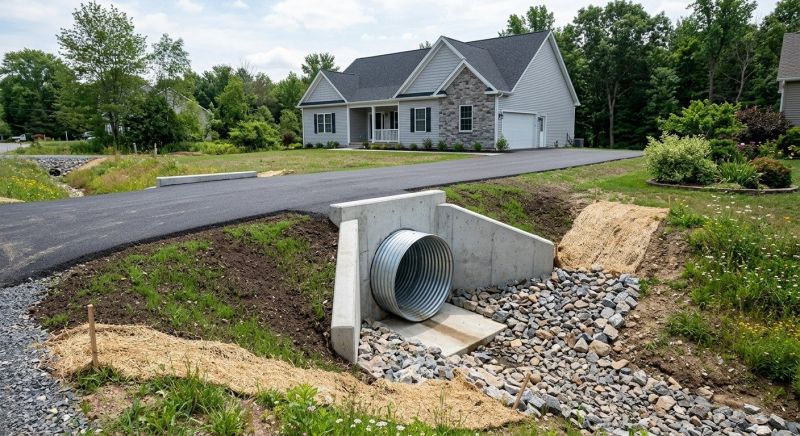
Drainage Culvert Design
Proper design ensures effective water flow and prevents flooding on residential and commercial properties.
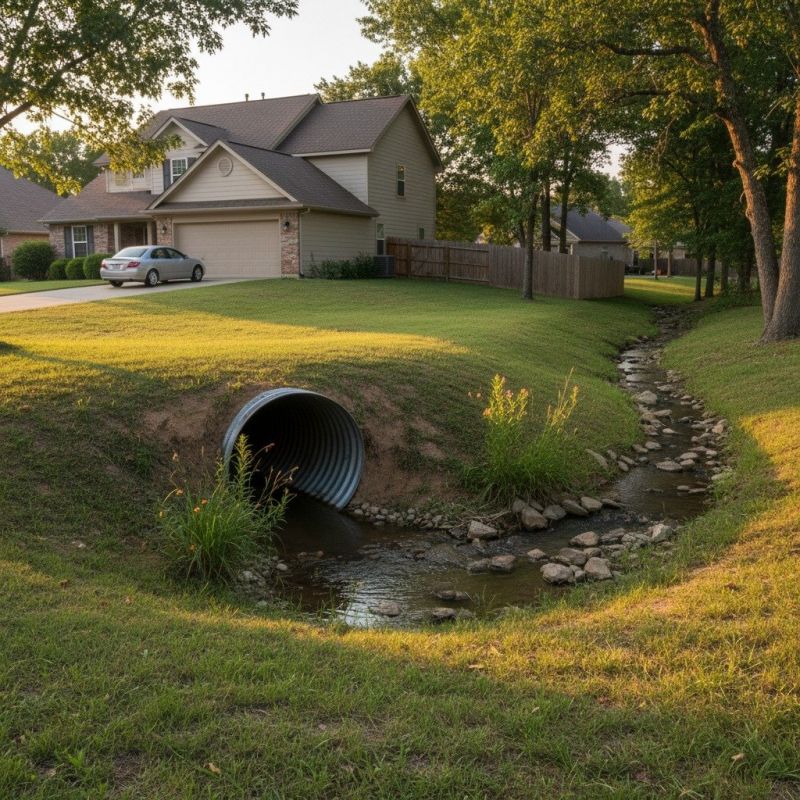
Installation For Property Drainage
Culverts are installed to manage runoff and protect landscapes from water damage in tuscaloosa neighborhoods.
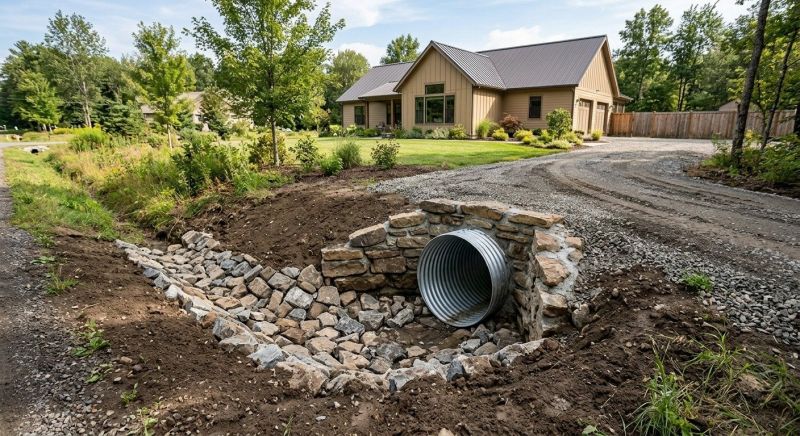
Maintenance And Repair
Regular inspection and repairs help maintain the functionality of drainage culverts over time.
Drainage Culvert Installation in Tuscaloosa, AL
Drainage culvert installation involves placing underground structures designed to direct water away from properties, preventing flooding and soil erosion. These systems are commonly used in residential projects such as managing stormwater runoff, improving yard drainage, or creating pathways through areas with poor natural drainage. Property owners often want to understand the different types of culverts available-such as concrete, metal, or plastic-and how they can be integrated into existing landscapes or new construction. It’s also important to consider factors like the size and capacity of the culvert needed based on the property’s drainage requirements and local weather patterns.
Before requesting drainage culvert installation, property owners should assess the current drainage issues and determine the scope of the project. Understanding the location where water tends to pool or flow excessively helps in planning an effective solution. Additionally, it’s useful to consider how the culvert will fit into the overall landscape, whether it’s for a driveway, garden, or roadside drainage. Proper planning ensures the installed culvert will effectively manage water flow, reduce flooding risks, and support the longevity of the property’s landscape and structures.
Many property owners in Tuscaloosa, AL look into Drainage Culvert Installation for repairs, replacements, upgrades, and appearance-related improvements.
Common Drainage Culvert Installation Jobs
Drainage culvert installation helps manage water flow across driveways and lawns.
Subsurface culverts prevent standing water and reduce erosion around property foundations.
Underdrive culverts are ideal for directing stormwater away from walkways and gardens.
Concrete or metal culverts provide durable solutions for high-volume water drainage needs.
Drainage culvert repair and replacement restore proper water flow and protect property structures.
Custom culvert design ensures effective water management tailored to specific landscape conditions.
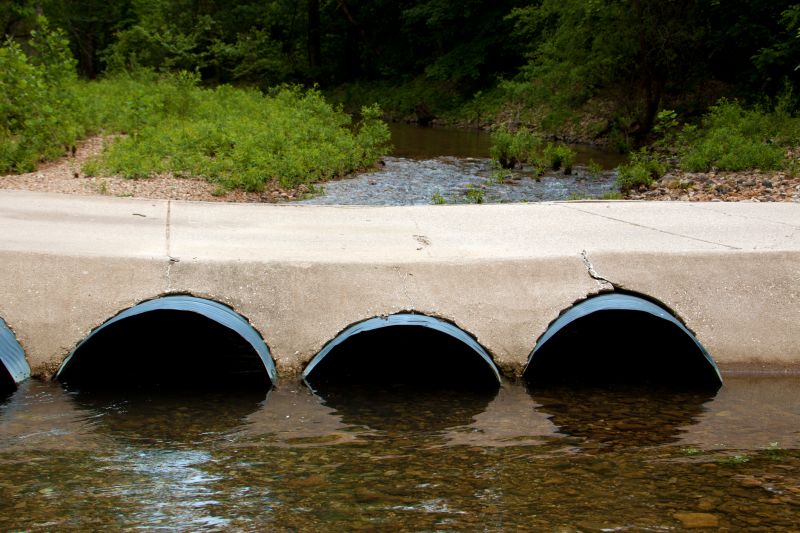
Drainage Culvert Installation Questions
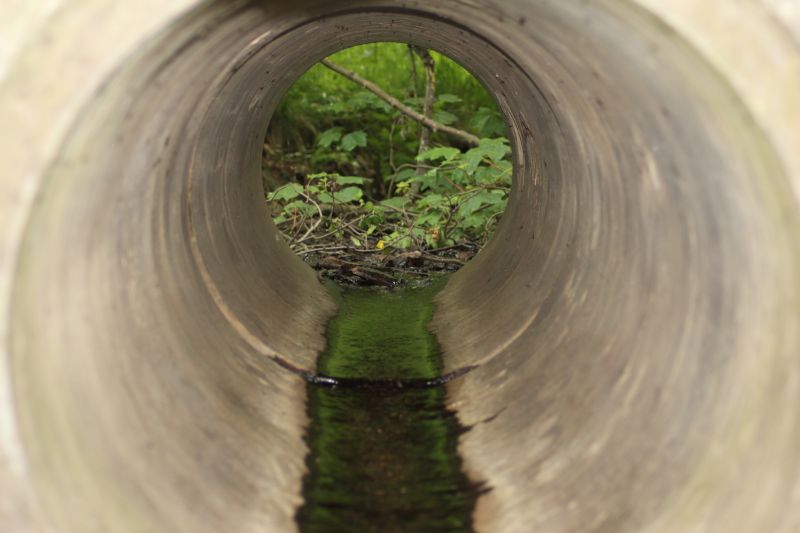
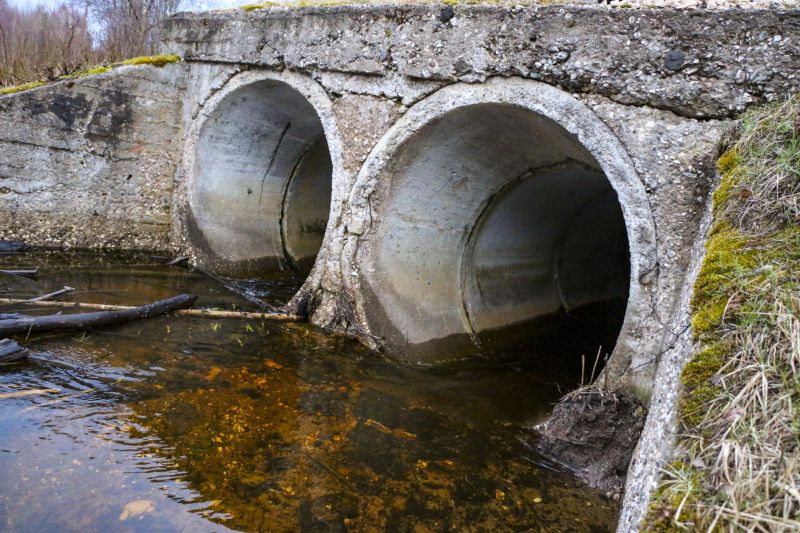
What is a drainage culvert? A drainage culvert is a structure that allows water to pass beneath roads, driveways, or pathways to prevent flooding and erosion on a property.
Where are drainage culverts typically installed? They are commonly installed in areas with heavy rainfall, sloped land, or where natural water flow needs to be redirected away from structures.
What materials are used for drainage culverts? Common materials include corrugated metal, concrete, and high-density polyethylene, chosen based on the project’s needs and site conditions.
Why is proper installation important? Correct installation ensures effective water flow, prevents blockages, and reduces the risk of property damage caused by water accumulation.
Request Drainage Culvert Installation in Tuscaloosa, AL
Use the quote form on this page to share the basics of your project and request more information for the type of work you need.